Progetto: EcoVisto
A proposed waste management system designed to actively engage tourists in managing their personal waste. By enhancing the visibility of waste management and fostering a deeper connection to the places they visit, it aims to inspire more responsible waste disposal behaviours among travellers.
The Cast Your Waste Installation lies at the heart of the project, designed to showcase proper waste disposal practices in an interactive and performative way. By using thought-provoking prompts to spark conversations among tourists, the installation fosters a playful atmosphere where participants are invited to step onto the red carpet and podium to share their preferences and disposal behaviours. This engagement not only connects them with Italian culture - depending on the prompts - but also helps cultivate a sense of community.
As a result, public bins transform from an overlooked, unpleasant and avoided area into vibrant hubs for interaction and observation.

ROLE
Observational Researcher and Project Designer
(Design Student, Individual project)
DURATION
4 week Intensive design project in Prato, Italy
HIGHLIGHT
Social design - Challenged me to adapt and expand my thinking with new cultural and social perspectives
ACHIEVEMENT
Most Outstanding Social Design Project - Awarded by Design Institute of Australia and Monash University
Brief
Define a problem and scope that takes into account the changing social, environmental, and political landscape of today, and to explore the concept of ‘Survival’ ten years from now.
The response should reflect an understanding of the social role of design and the Italian context, incorporating insights from your experiences and learnings about Italian life and culture.
My Interpretation
During my stay in Prato, I became intrigued by Italy's waste management system. My accommodation host was adamant about strict sorting rules and collection schedules, highlighting the pride and responsibility that residents in this town take in managing their personal waste. Yet, when this context expands to larger cities like Florence, the influx of tourists and foot traffic seems to undermine that diligence in waste disposal. It raises an intriguing question:
How can Prato, a smaller town with fewer resources, handle its waste more responsibly (and proudly) than Italy’s affluent/major cities?


My Observations
Upon my arrival in Prato, waste management and disposal rules were stressed by my accommodation host. After memorising our share house’s waste calendar (as shown on the far left) and observing how meticulously the locals on our street manage their personal waste, a strong sense of responsibility became evident right at our doorstep. Each morning and evening, neatly synchronised garbage bags are placed at every door, demonstrating how waste management is proudly woven into daily life and second nature to Prato’s community. This level of organisation and responsibility sparked my initial interest in Italy’s waste management system, significantly influencing my design direction.
PRATO'S PRIDE...


ZOOMING OUT -
Florence Observations
Unfortunately, not every Italian town or city is as diligent with their waste as Prato. By extending my obervational study to larger cities like Florence, I was disheartened to see that most bins were overflowing on nearly every corner.
This got me thinking...
Why can smaller Italian towns (with less access to resources) manage their waste more effectively than major cities...?

Personal Footage: Florence Observations - Disposal, Overflowing
Painpoint:
Tourism vs Waste Management
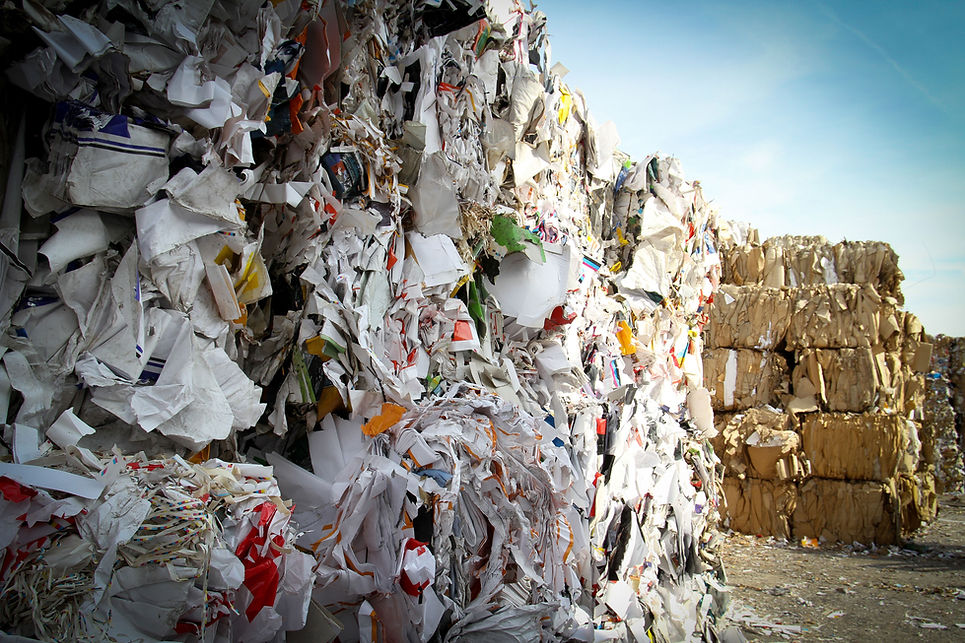
Considering the broader context of my observations, it’s evident that areas with high foot traffic and significant tourism place immense pressure on major cities, overwhelming them with waste.

Personal Footage: Florence Observations - Waste Collection
Painpoint:
Inefficient Collection
Through my observations, it became clear that both waste disposal and collection present significant challenges. As I watched the Alia trucks pass by, it was evident that there is a lack of bin level monitoring systems to prevent overflow.
Additionally, the process of workers manually exiting the truck to change the bins was inefficient and tedious.
How can Italy continue to boost tourism while addressing its waste management challenges?

Case Study 1: Rome
Rome faces significant waste management challenges and has resorted to exporting its waste to the Netherlands for processing. While Its mayor proposed a local waste-to-energy incinerator for 2026 (Wanted in Rome, 2023), this is only a partial solution. For incinerators to work effectively, tourists must still sort their waste properly, requiring a sense of responsibility akin to that seen among Prato residents. I then posed another question:
In 10 years, how can tourists be engaged to take responsibility for their waste in a city they do not live in...?
Case Study 2: Taiwan’s Waste Revolution
Taiwan’s waste management system highlights the power of human behavior in fostering responsible waste practices. Once a "wasteland" recycling only 5% of its trash, Taiwan revolutionized its approach by creating a community where doing the right thing became easier and more socially rewarding. Their bin-less, hand-delivered garbage system encourages residents to take responsibility for their waste, turning trash collection into a community event. With recycling and composting services free of charge, and fines for incorrect sorting, Taiwan now recycles 55% of its waste. This system fosters a sense of community and respect, transforming waste management into a shared, positive experience.
WE DON’T WANT TO KNOW ABOUT IT...
Take our system back at home, for example, where trash is disposed of and collected discreetly...the truck comes early in the morning, while we’re sleeping or at work (similar to Prato). We strive for invisibility...and we don’t want to pay attention to it, but we should.
Therefore, from my case study I was able to refine my inquiry..What if we strive for visibility....and is human behaviour key?
My
System
Overview
Tap to enlarge

MY Focus

1
Observations and case studies to refine my focus
I identified community connection and motivation as a key area of focus. While each city has its own method for waste collection, a common goal is to keep the process as discreet as possible, in contrast to Taiwan’s unique and communal approach with Beethoven’s 'Für Elise' playing through the streets. This insight helped me refine my areas of focus, outlined below.

2
Iterations and feedback
I originally designed the installation with an app accessible via NFC tags on the podium, incentivising tourists to download it and earn "trash tokens" for proper waste disposal. However, after receiving feedback during collaborative sessions with tutors, I shifted my approach. I focused on refining the design to prioritise accessibility and ease of use. The ultimate goal is to make responsible disposal intuitive, while creating barriers that make improper disposal more challenging.


3
Prototypes that reflect my threads of focus
To inspire tourists to take responsibility for their waste disposal in 10 years, I focused on using positive reinforcement to effectively influence behaviour. I created the "Cast Your Waste" voting system, where I invite travellers to engage in light-hearted prompts that celebrate Italy’s rich culture and foster social interactions among strangers, bonding over simple preferences like choosing between a cup or cone for their gelato. This approach helps cultivate a sense of connection to the local environment that travellers often lack compared to locals, who take pride in managing their waste.


